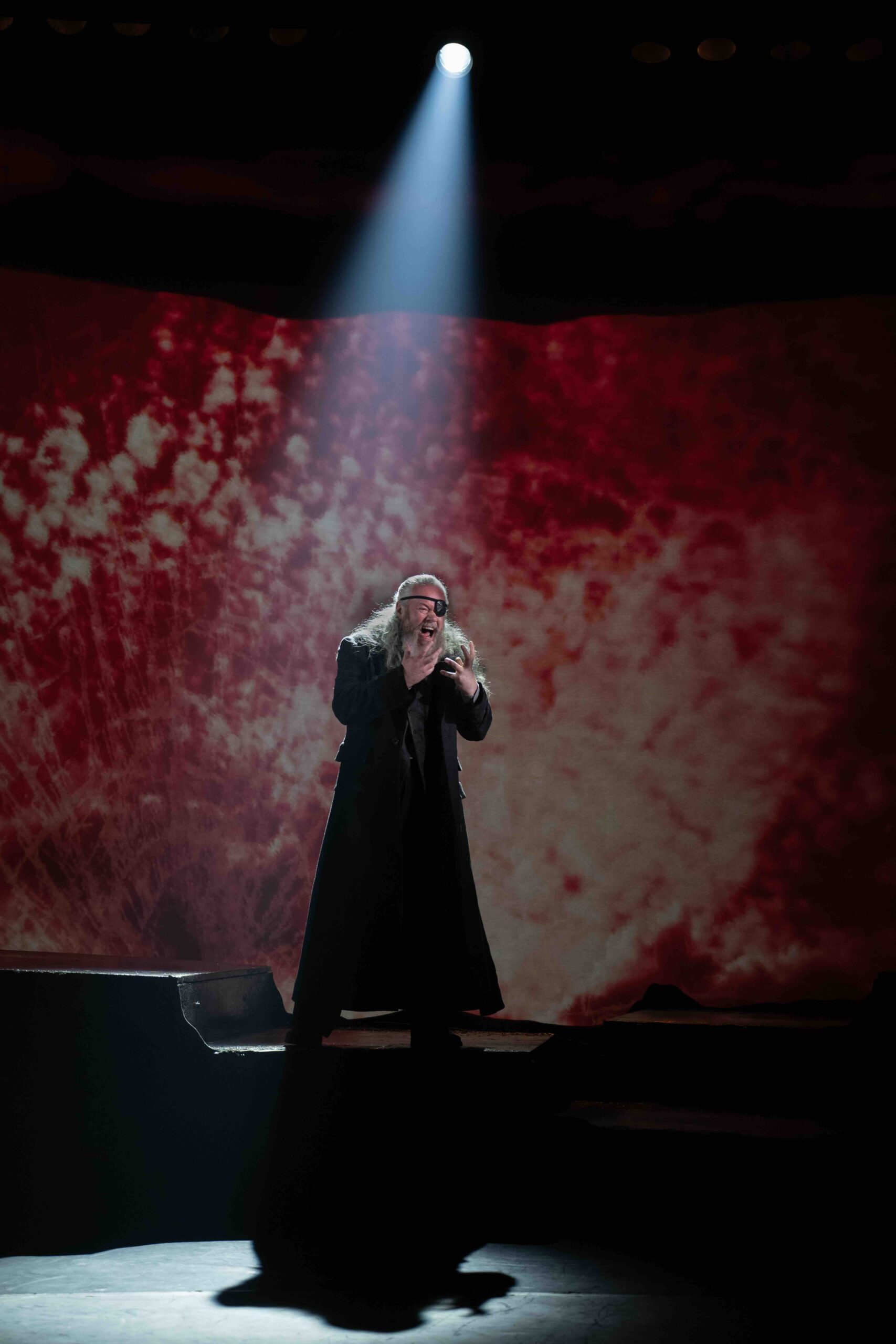
“Never do anything for the first time.”
So the old saying goes in the opera business. This deliberate paradox contains a hard truth: making any sort of debut is a challenge. And in particular, performing a major operatic role for the first time is fraught with unforeseen dangers.
So, for any young singer contemplating making that leap of faith, here are three tips from my own experience – for the most part learned the hard way…
1. Pick the Role
Autumn 2011. I’m preparing to sing Peter in Hänsel und Gretel for Northern Ireland Opera and Scottish Opera – in two different translations, just to make things more interesting. For now, I’m learning it in the original language, before plugging the English words in later.
My singing teacher notes that he’s not heard me sing in German before, it seems to suit me, and have I ever looked at any Wagner? I tell him I had, at a director’s suggestion, a couple of years before, and it didn’t seem to fit at all.
He suggests I take another look, perhaps at Wotan in Das Rheingold, as well as the title role in The Flying Dutchman. I head home and give it a whirl, with no expectations. It instantly feels like trying on the right size of shoes for the first time.
Two years later I’m on stage in London, singing the Rheingold excerpt as winner of the Wagner Society Singing Competition. As with any worthwhile prize, it’s the start of something, not the end in itself.
Singers are never short of advice – from conductors, directors, casting panels, repetiteurs, teachers, musical coaches, language coaches, assistant directors, movement directors, critics… The list is practically endless. So you’ll need to build a compact team of trusted advisers, who unequivocally have your best interests at heart, to whom you can turn for the core advice on which you build your career over the long term. The rest needs to be filtered out, to some extent at least.
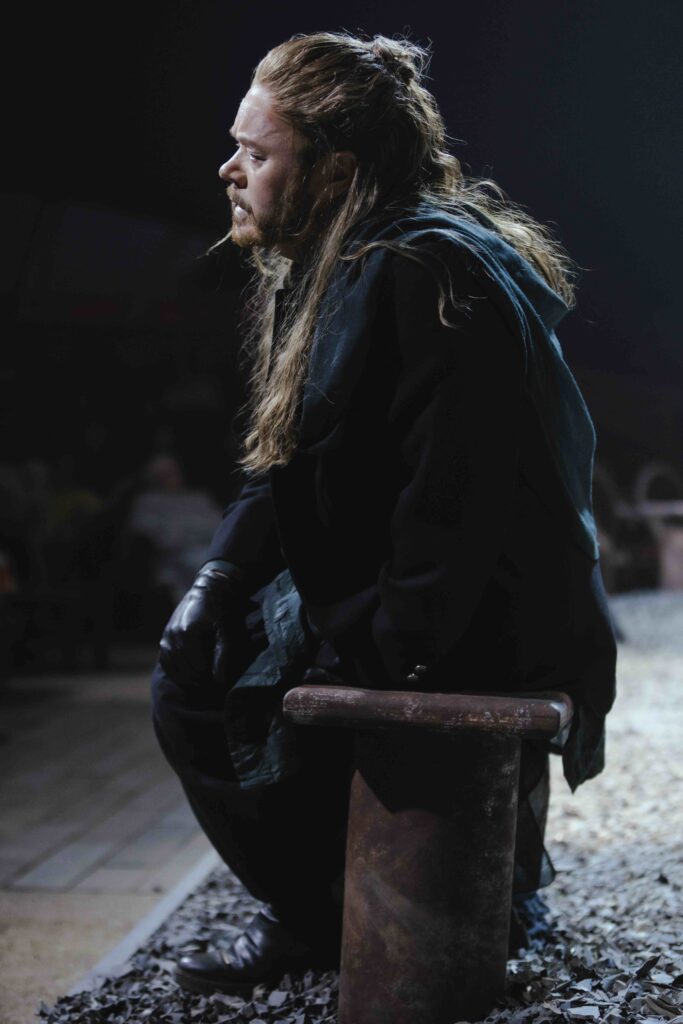
Opera Holland Park’s Flying Dutchman 2025
In specialist repertoire, find out who the experts are, seek them out, and pick their brains. Often these will be conductors, coaches and repetiteurs who have studied and worked on these pieces extensively. Get in touch, take some well-prepared excerpts along to them. Listen to what they tell you. Make sure you pay them promptly, thank them properly, and keep in touch as your journey progresses.
There are no small roles, so the saying goes. But there are short roles and long roles. When it comes to Wagner, many of the roles are very long indeed. There are a lot of notes, and a lot of words. They take a long time to learn – and that’s time you could be spending on learning a different set of roles.
So take care in making that investment of time, and money. With a bit of luck, these may well become your signature roles, like it or not – make sure they’re the ones that suit you best. Ask your team, and ultimately trust your own judgement: do the shoes really fit?
2. Plan Ahead
Summer 2018. I’m on stage at the Royal Opera House during rehearsals for their Ring cycle. I’m holding a spear (and at one stage, briefly, wearing a ring), and I’m surrounded by famous people whose names often begin with Sir or Dame.
But I know what I’m doing. I was booked to cover the three Wotan roles two years in advance, and I’ve spent the time wisely, grabbing sessions with the Covent Garden music staff whenever I’ve had a day or two to spare. Doing the work. Climbing Everest one foothold at a time. I’m nervous as hell: a lot of very good singers have stood on this stage holding that spear before me. But I know what I’m doing.
Once you’ve identified the roles you want to debut, you’re going to need to find companies which stage those operas. That’s easier in some cases than others, particularly in the UK at the moment, where the number of annual operatic performances has been plummeting for decades. This means that even fairly mainstream pieces may go entirely unseen for several years at a time. So these days singers need to think outside the box – touring and fringe companies or concert performances provide alternative routes into giving roles a try, possibly under slightly less pressure than leaping straight onto an opera house’s main stage.
On the other hand, if a major company is scheduled to produce one of your target pieces, even if it’s the sniff of a rumour, you should make it a goal to get a foot in the door. That can often be a long term project: I first auditioned for Covent Garden five years before I worked there, and ten years before I set foot on the main stage. Plan ahead, and be ready when opportunity knocks.
It’s worth thinking about “starter roles” – shorter, lower risk roles in which companies might be willing to give you a whirl, while at the same time guiding their thoughts towards your main goal. For example, a future Wotan might start with Donner in Das Rheingold, or the Herald in Lohengrin. Give these as much attention as your more glamorous characters: as I said, there are no small roles, only long ones and short ones.
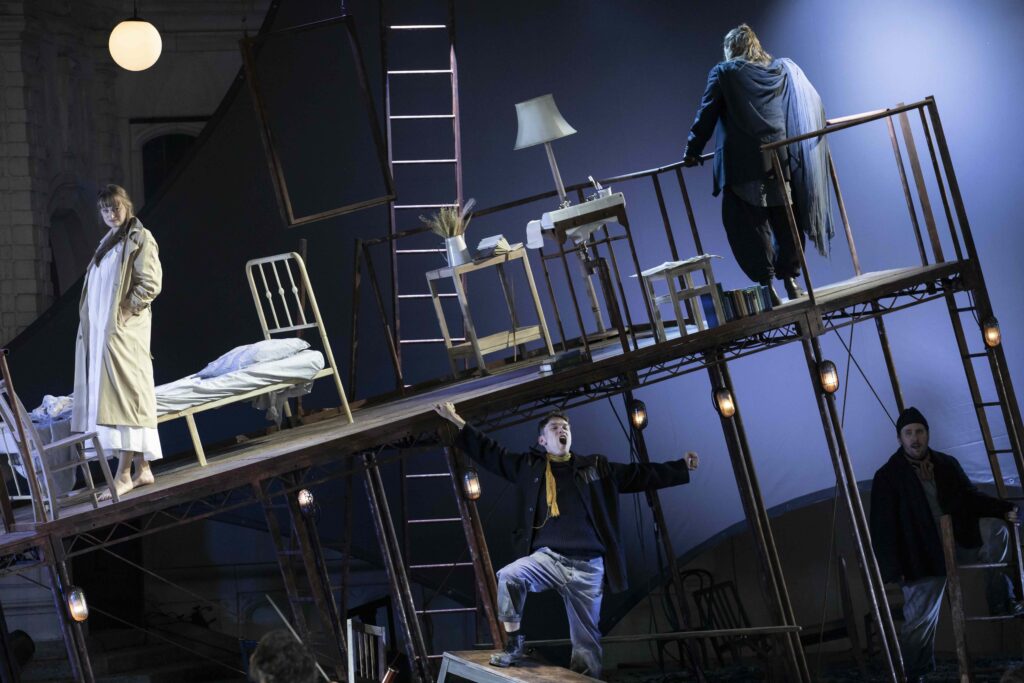
Opera Holland Parks Flying Dutchman 2025
And for the same reason, be wary of eleventh hour “jump-ins”, where a company may desperately need you to get on a plane and solve their latest crisis. It can be a tempting prospect, for many reasons, but these rescue jobs are usually best left till you’ve really got the role under your belt. You are not Superman, as I’ve written on the front page of one of my scores as a reminder. Do what you must, and say no when you need to: make sure that when you do get out there, it’s at the right time for you, when you’re ready to fly.
3. Build Your Team
Summer 2024. Longborough Festival Opera, a day into our first Ring cycle. I’m in the wings as Act 2 kicks off with my Brünnhilde, Lee Bisset. We’ve known each other since meeting at the National Opera Studio in 2003. Over the years she’s been my Tosca, Donna Elvira, Pat Nixon. We’ve prepared this piece together, talked about it for hours, and rehearsed it inside out for months. I couldn’t trust her more if she were my own sister. She grabs my hand, looks me in the eye, and says: “Let’s go fuck it up!”
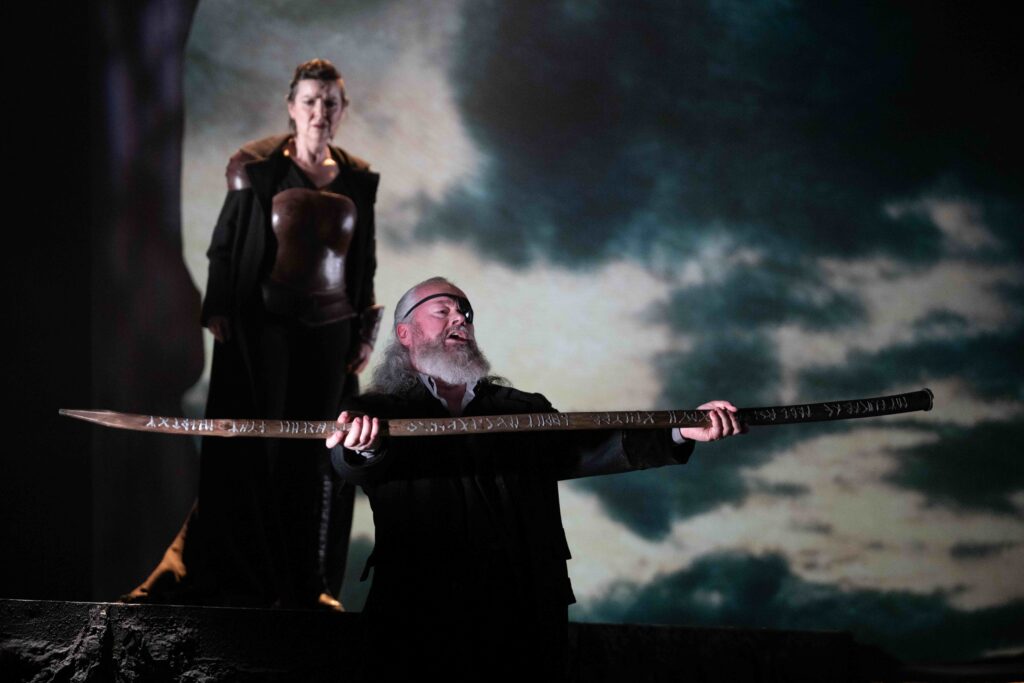
Lee Bisset and Paul Carey Jones, Longborough Festival Opera 2024
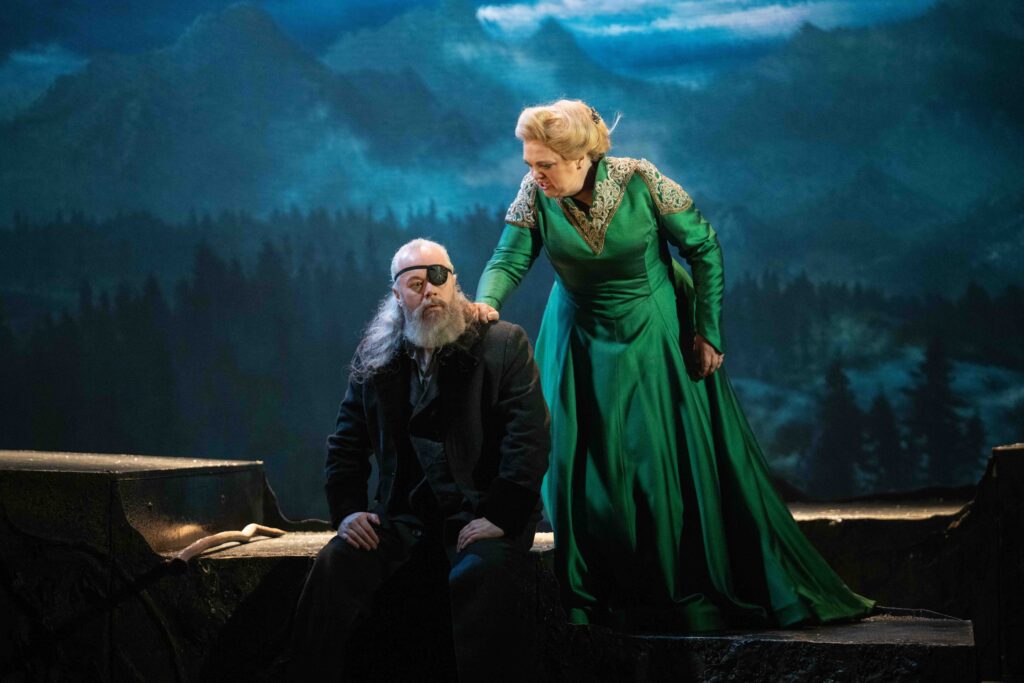
Paul Carey Jones and Madeleine Shaw, Longborough Festival Opera 2024
A role debut is a leap of faith, a blind pole vault into the unknown. Can you get through this? Will you remember all the words? Will anyone think it’s any good? There’s no way of knowing until you take that leap. So it’s vital to minimise the other unknowns in the equation. Producer, conductor, director, close colleagues, venue – the more you know about any and all of these in advance, the more secure you’ll feel if when things begin to veer off the tracks a little – which inevitably they will. The trick is to get back on track as quickly as possible.
Where you’re living is also vital. Opera rehearsal and performance periods involve a lot of down time, and in a major role, you’re going to want to spend the largest part of the down time resting and keeping quiet. Where you do that can make or break it, and even the most luxurious hotel room can feel like a prison after a couple of weeks. So finding somewhere familiar, with as many home comforts as possible, is a huge bonus, as is being in a city you know.
Of course the ideal set-up might well be staying in your own home. But for ancient and largely unfathomable reasons, a singer’s nearest opera company is only rarely their staunchest supporter. Still, a well-timed trip home or two when it’s possible is usually worth the investment.
More than anything, you need those right people around you. Work on those relationships, and on being a colleague who offers trust and support – you should find you’ll receive the same in return when you need it most. You don’t have to be close friends; you don’t even have to like each other (although it really does help). But try, as soon as possible, to move away from that toxic, competitive, zero-sum game mindset which so much of the singing profession encourages, particularly in the early years. In performance art, you build the show together. Embrace that – you’ll appreciate it when you need it most.
Summer 2025. Backstage at Opera Holland Park, on the opening night of Flying Dutchman. I haven’t sung for 6 days – I came down with a cold just after the dress rehearsal, and I’ve only just dragged myself out of bed in time to make it. Perfect timing, to look on the bright side. I’m about to open my mouth and I’m not sure what kind of noise, if any, will come out. But I’ve been working here almost every year since 2019. It’s a venue and an audience I know well. And I’m surrounded by colleagues I know and trust, who believe in me. Opera is a high wire act without much of a safety net, but this is as close as you can get.
“Never do anything for the first time.”
But if you do, pick the role, plan ahead, build your team. Remember to enjoy the journey while you focus on the destination. And remind yourself: once you have done it for the first time, what comes next will be even better.
Paul Carey Jones
Main image: Wotan in Longborough Festival Opera’s Ring Cycle
Images by Matthew Williams-Ellis

Crystal clear, and very informative as always, Paul.